
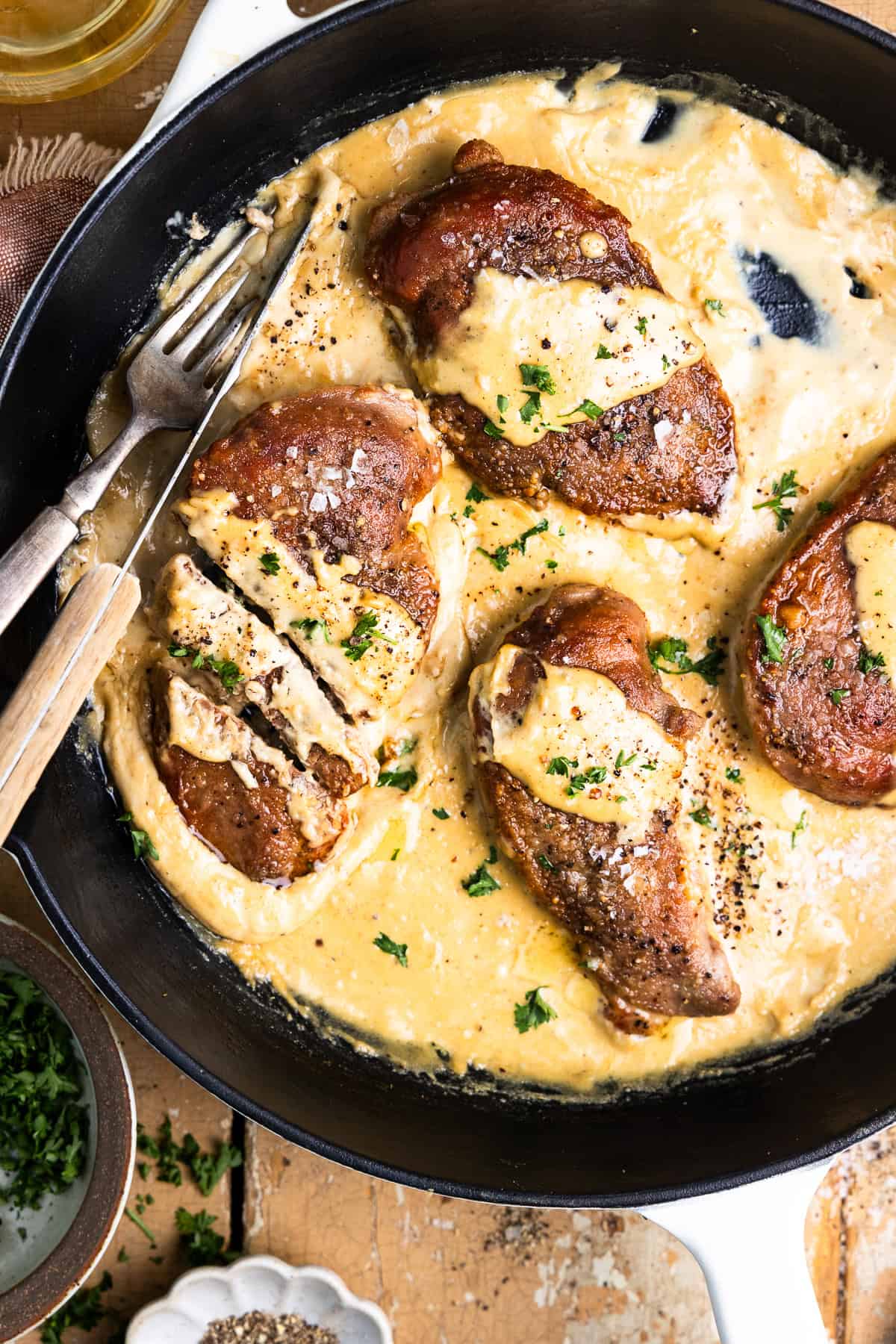
This pan-seared pheasant with dijon mustard cream sauce is one of my go-to pheasant recipes because it's simple, made in one pan, and finished in a rich sauce that keeps the meat tender and flavorful. Serve over mashed potatoes for an easy, comforting, and approachable wild pheasant dinner everyone will love.
Jump to:
Great pheasant recipe for beginners
- Pan-searing keeps pheasant breasts tender. Cooking the pheasant breasts quickly over medium-high heat helps to lock in moisture while creating a perfectly golden brown crust.
- Made in one skillet in under 30 minutes. This recipe comes together quickly in a single skillet, keeping things simple and beginner-friendly. Plus, less mess to clean up!
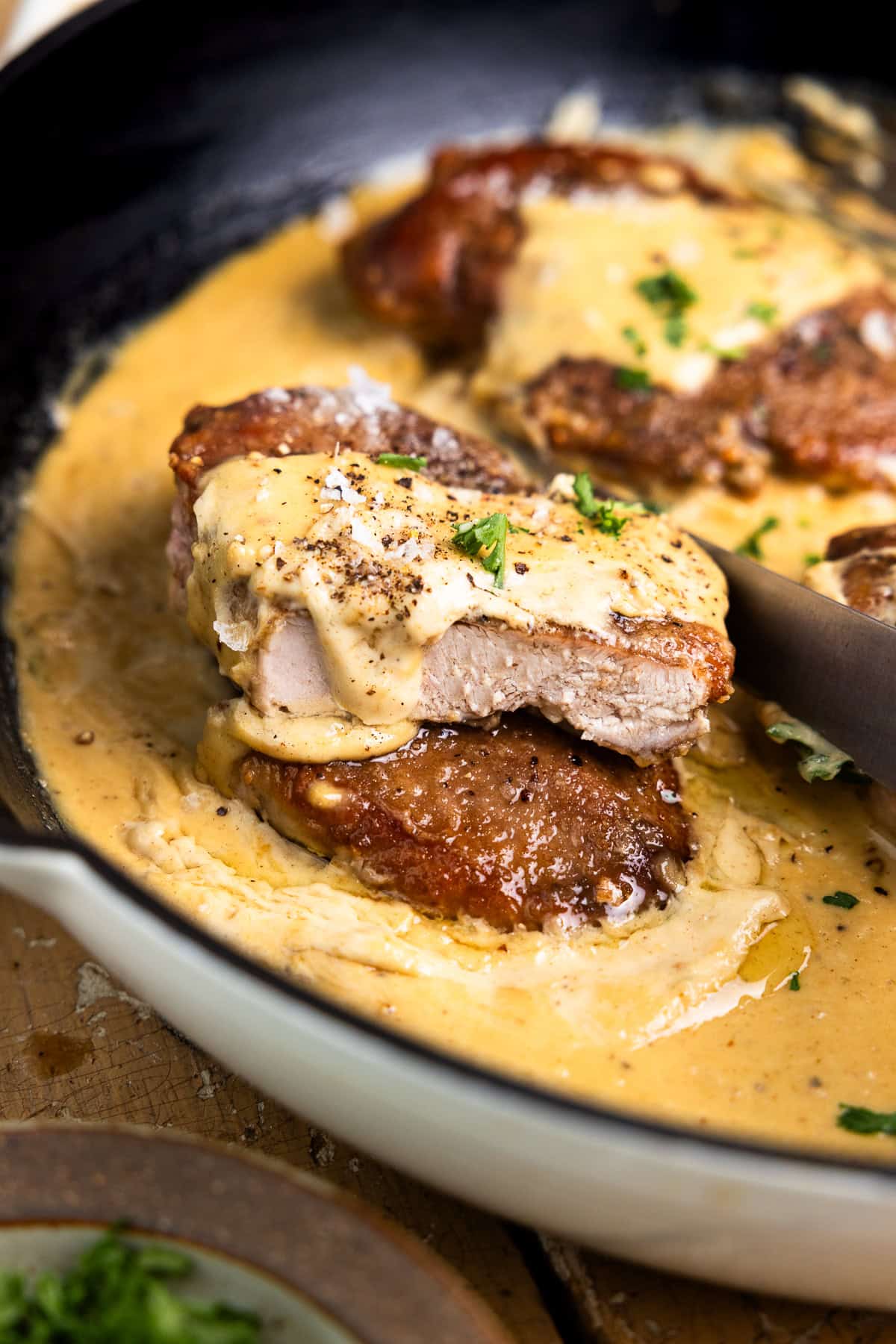
- Tender, moist and flavorful. The pheasant stays juicy, and the dijon mustard cream sauce adds rich, creamy flavor - the perfect combination!
Ingredients
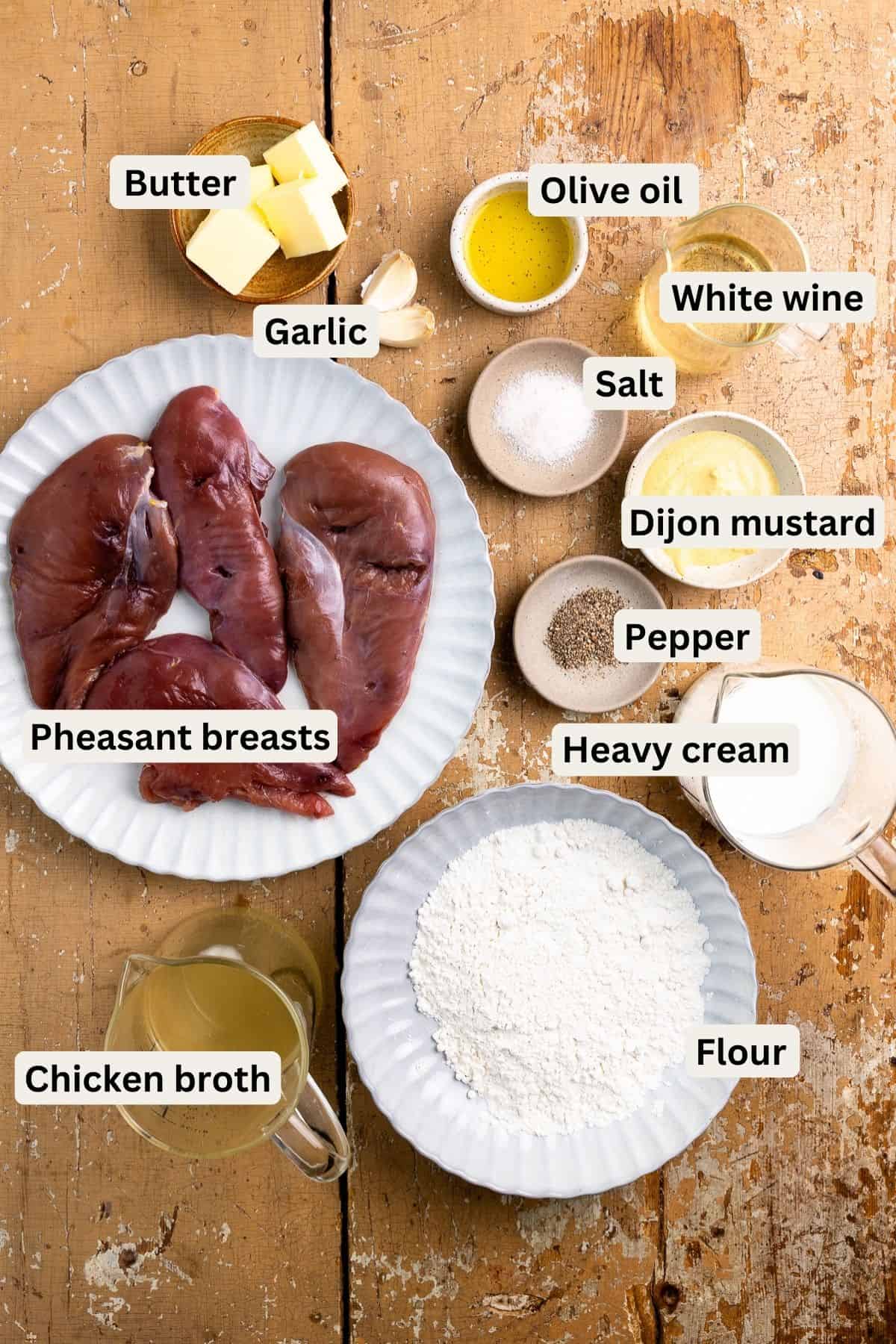
Scroll down to recipe card for full ingredient list with measurements.
Ingredient notes
- Pheasant breasts. This recipe was specifically developed for pheasant breasts. I don't recommend using pheasant thighs here, as those are better suited for braising (slow cooking in liquid).
- Butter & olive oil. Butter adds rich flavor, while olive oil has a higher smoke point, giving you the best of both worlds. You can try using just one or other, but this recipe was tested using both.
- White wine. A dry white wine like Sauvignon Blanc or Pinot Grigio works well. You will have leftover wine, so choose something you enjoy drinking.
- Fresh herbs. Totally optional, but a sprinkle of fresh parsley or thyme at the end adds a pop of color and subtle fresh flavor.
Substitutions
- No white wine? You can substitute with additional chicken broth in place of the wine. The sauce will still be creamy and flavorful, though slightly less complex.
- Heavy cream. While I don't recommend substituting the heavy cream, you can try half-and-half in a pinch. Keep in mind the sauce will be slightly thinner and you may need to simmer the sauce longer.
- Dijon mustard. A whole-grain mustard can be used in place of dijon, though the texture and flavor will be slightly different. I don't recommend using yellow mustard, as it will overpower the sauce.
- Adjust the mustard flavor. The recipe calls for 2 tablespoons of dijon mustard, which adds a mild mustard flavor, in my opinion. If you're hesitant, start with just 1 tablespoon and add more to taste. For a stronger mustard kick, add an extra tablespoon.
This recipe hasn't been tested with substitutions or variations. If you make any changes or additions, I'd love to hear how it turned out-drop a comment below!
How to make pan-seared pheasant
Scroll down to recipe card for full instructions.
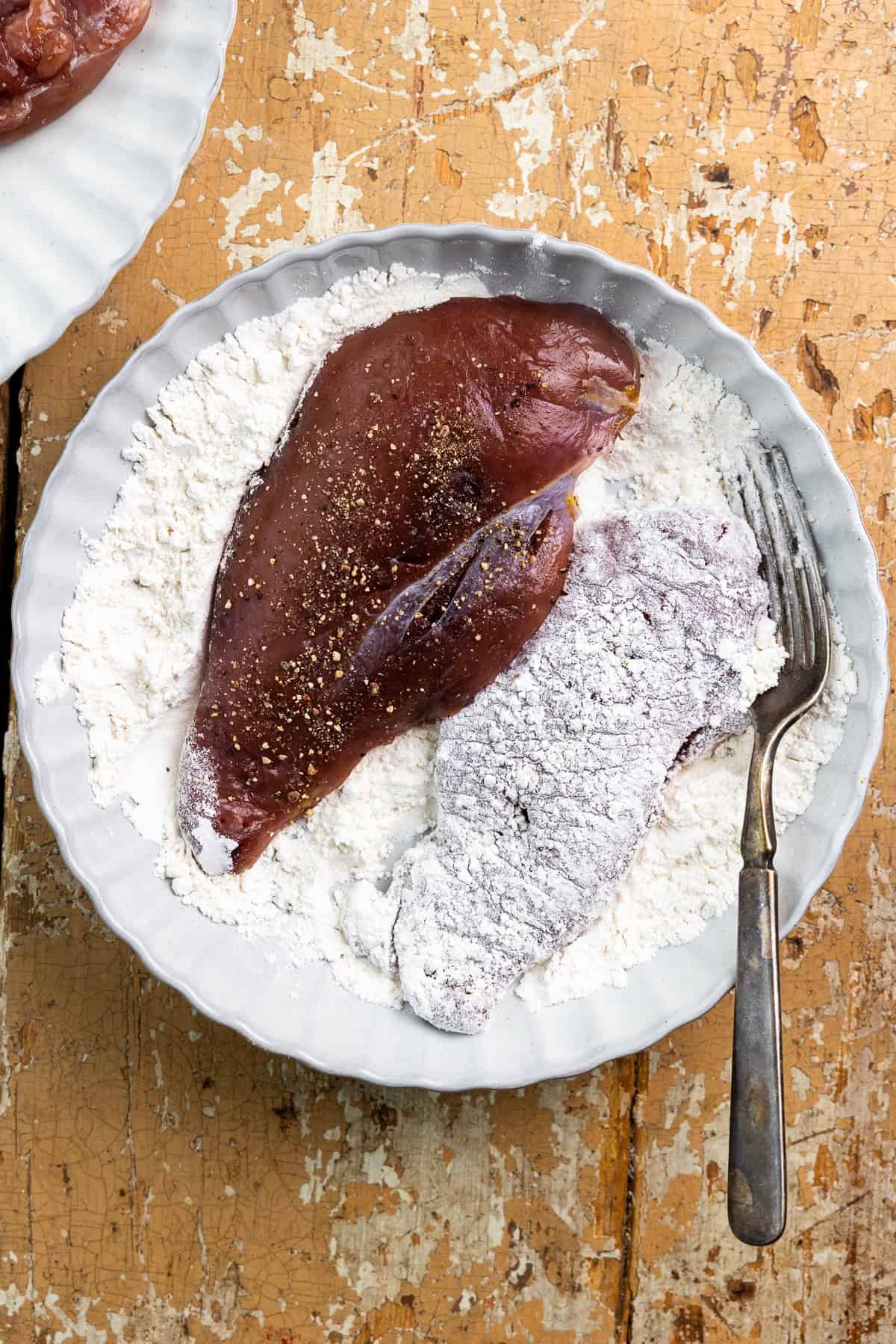
- Step 1: Dredge in flour. Season the pheasant with salt and pepper, then dredge each breast in flour.

- Step 2: Pan-sear. Heat butter and oil in a skillet over medium-high heat. Add the pheasant and cook on both sides until golden brown and cooked through, about 3-4 minutes per side. Set aside to rest.
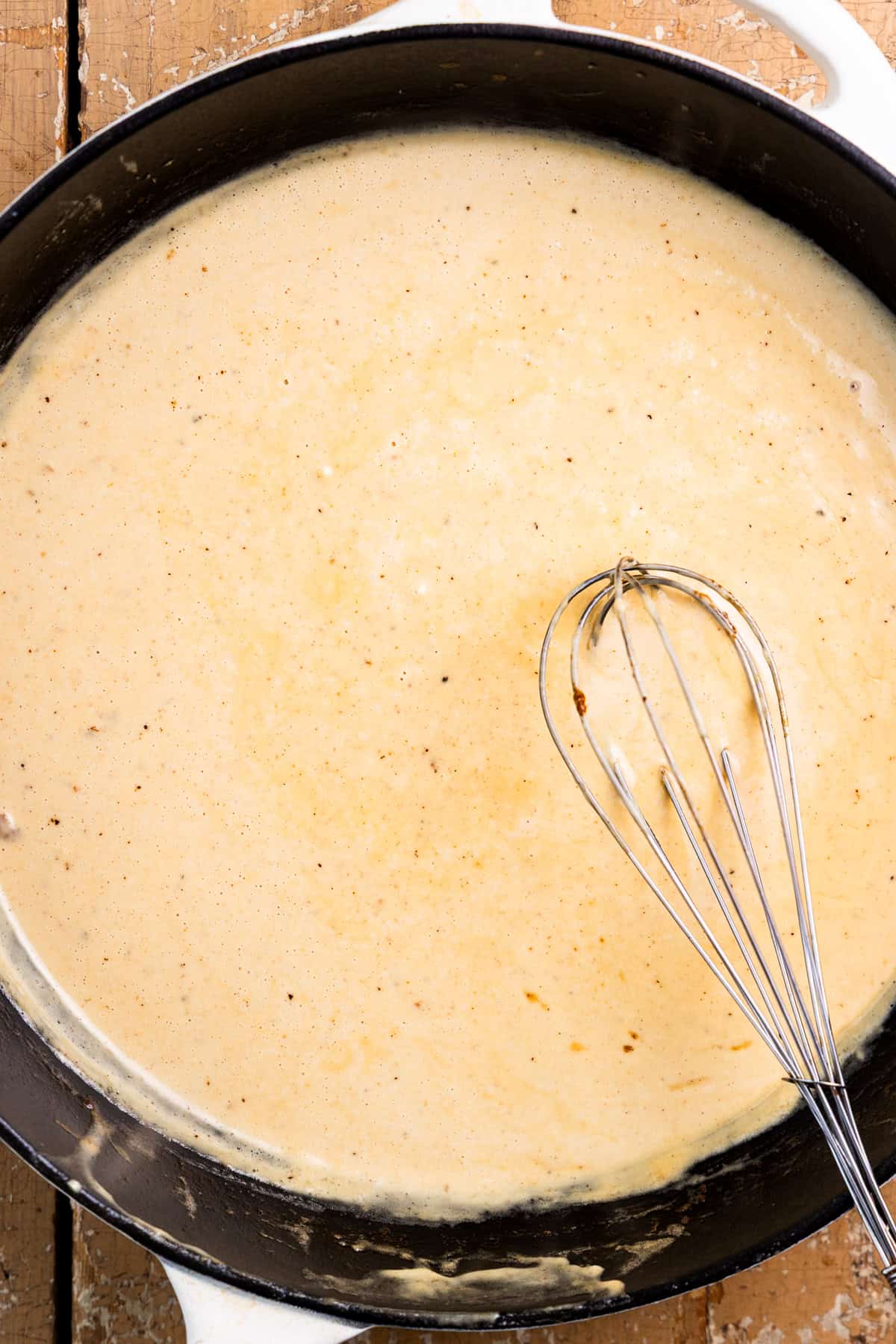
- Step 3: Make the creamy dijon sauce. Cook garlic in the leftover butter and oil, then deglaze the skillet with white wine and chicken broth. Whisk in the heavy cream, dijon mustard, salt and pepper.

- Step 4: Simmer. Add the pheasant back to the skillet. Simmer for 2-3 minutes to thicken the sauce and warm the pheasant.
Expert tips for cooking pheasant
While this recipe is pretty simple and straightforward, here are a few tips to help you out.
- Lightly dredge in flour. A thin coating of flour helps to create a golden crust and slightly thickens the sauce. Be sure to shake off any excess flour before searing.
- Deglaze the skillet. After searing, use the wine and broth to deglaze the skillet and scrape up the browned bits from the bottom of the pan - that's where a lot of flavor comes from.
- Use a meat thermometer. Pheasant is very lean, so cooking to temperature is key. Remove the breasts when they reach an internal temperature of about 155-160°F to keep them juicy and not dry.
- Don't over-simmer. Once the pheasant is added back into the sauce, let it simmer just long enough to warm through. Over-simmering can cause the meat to dry out and the sauce to thicken too much.
- Adjust the sauce consistency. If the sauce is too thick after simmering, thin it with a splash of chicken broth. If it's too thin, let it simmer a bit longer.
Recipe FAQs
When cooking pheasant in a pan sauce, I don't find it necessary to soak or brine the meat. The pheasant breasts are quickly seared, then finished in a rich, creamy sauce, which helps keep them tender and juicy. Over-soaking can actually mute the natural flavor of the pheasant.
Yes, pheasant breast can be safely cooked with a slightly pink center. For this, an internal temperature of around 145°F works well. That said, I personally prefer cooking to 155-160°F, where it's fully cooked through with little to no pink while still remaining tender. Cooking beyond this point can cause the meat to dry out.
Pheasant tastes similar to chicken, but with a slightly richer flavor. It's not overly "gamey," especially when cooked with a sauce. Pheasant breasts are comparable to the white meat of chicken, while the thighs and legs are darker, more flavorful meat.
Storing and reheating
Store cooled leftovers in an airtight container in the fridge for up to 3-4 days.
To reheat, add the pheasant and sauce to a skillet over low heat with a splash of chicken broth and/or heavy cream. Cover and gently simmer until warmed through, adding more broth or cream as needed to loosen the sauce. Avoid microwaving if possible, as the meat can dry out quickly.
I don't recommend freezing this dish, as the cream-based sauce can separate when thawed and reheated.

More recipes to try!

Pan-Seared Pheasant with Creamy Dijon Mustard Sauce
Equipment
Ingredients
- 4 pheasant breasts skinless
- Salt to taste
- Pepper to taste
- ¼ cup all purpose flour for dredging
- 2 tablespoons butter
- 1 tablespoon olive oil
Creamy Dijon Mustard Sauce
- 2 garlic cloves minced
- ½ cup dry white wine
- ½ cup chicken broth
- 1 cup heavy cream
- 2 tablespoons dijon mustard or to taste
- ½ teaspoon salt
- ¼ teaspoon pepper
- Fresh parsley or fresh thyme (optional garnish)
Instructions
- Remove the pheasant from the fridge about 30 minutes before cooking and let rest at room temperature. This helps to ensure more even cooking.
- Season both sides of the pheasant breasts with salt and pepper. Dredge each piece of pheasant in flour and shake off the excess.
- Melt the butter and olive oil in a large skillet with tall sides over medium-high heat. Add to the skillet and cook for about 3-4 minutes until browned. Flip and cook for another 3-4 minutes until browned and cooked to an internal temperature of 155°F. Remove the pheasant to a clean plate while you make the creamy dijon sauce.
- Place the skillet back on the stove over medium heat. Add the garlic and cook for 30-60 seconds, until fragrant (there should be butter and oil left in the skillet, but if not, add another tablespoon of butter).
- Slowly pour in the white wine followed by the chicken broth, scraping the browned bits from the bottom of the skillet. Let simmer until reduced by half, about 5 minutes. Whisk in the heavy cream, dijon mustard, salt and pepper.
- Add the pheasant back to the skillet with the sauce. Let simmer for 2-3 minutes, until slightly thickened and coats the back of a spoon. If the sauce is too thick, you can thin it out with more chicken broth. Garnish with fresh parsley or thyme, if desired.
- Serve over mashed potatoes with crusty bread to soak up the extra sauce.
Notes
- Pheasant breasts. This recipe was developed for pheasant breasts. I don't recommend using thighs here, as those are better suited for braising (slow cooking in liquid).
- Butter & olive oil. Butter adds rich flavor, while olive oil has a higher smoke point, giving you the best of both worlds. You can try using just one or other, but this recipe was tested using both.
- White wine. A dry white wine like Sauvignon Blanc or Pinot Grigio works well. You will have leftover wine, so choose something you enjoy drinking.
- No white wine? You can substitute with additional chicken broth in place of the wine. The sauce will still be creamy and flavorful, though slightly less complex.
- Heavy cream. While I don't recommend substituting the heavy cream, you can try half-and-half in a pinch. Keep in mind the sauce will be slightly thinner and you may need to simmer the sauce longer.
- Dijon mustard. A whole-grain mustard can be used in place of dijon, though the texture and flavor will be slightly different. I don't recommend using yellow mustard, as it will overpower the sauce.
- Adjust the mustard flavor. The recipe calls for 2 tablespoons of dijon mustard, which adds a mild mustard flavor, in my opinion. If you're hesitant, start with just 1 tablespoon and add more to taste. For a stronger mustard kick, add an extra tablespoon.
Nutrition
Nutritional information is automatically calculated by a third party software and is only an estimate, not a guarantee. This information is provided as a courtesy, and you are solely responsible for all decisions related to your health.

Rachel Kochlin says
The pheasant always comes out tender and delicious! My whole family loves it. Plus, I love that it's easy to make in just one skillet, which means less mess to clean up!