
Deer meat, also known as venison, is lean, protein-rich and full of deep, earthy, delicious flavor. If you're new to cooking venison or you just want to learn more about how to get better results when cooking deer meat, you're in the right place!
As a deer hunter and venison cook/recipe developer, I've rounded up the most commonly asked venison questions. From eliminating the gamey taste to choosing the right cut, this guide is here to help you get your questions answered!
This FAQ will help you feel confident bringing wild game to your table!

1. What does venison taste like?
Short answer: Venison has a similar taste and texture to beef, but it's leaner with a more earthy flavor.
Venison is a red meat with a rich flavor and a subtle sweet undertone. It comes directly from a deer's natural diet of plants, fruits, and nuts-similar to how grass-fed beef tastes different than grain-fed beef.
Because deer are wild animals, their diet changes with the season, region, and available forage. This means venison flavor can vary-sometimes more earthy, sometimes milder.
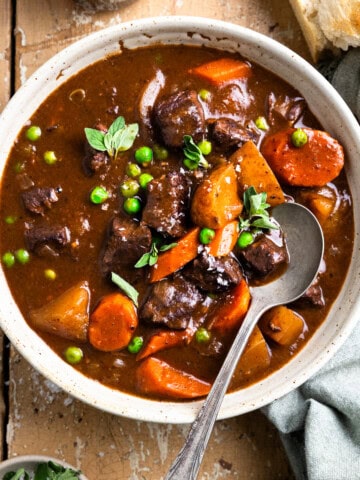
When cooked properly, the flavor is mild and it's incredibly tender - not gamey or tough. Recipes like Slow Cooker Venison Stew or Venison Barbacoa Tacos (Mexican Shredded Venison) are great "starter" recipes because that strong venison flavor is hidden among all the rich flavors of the dish.
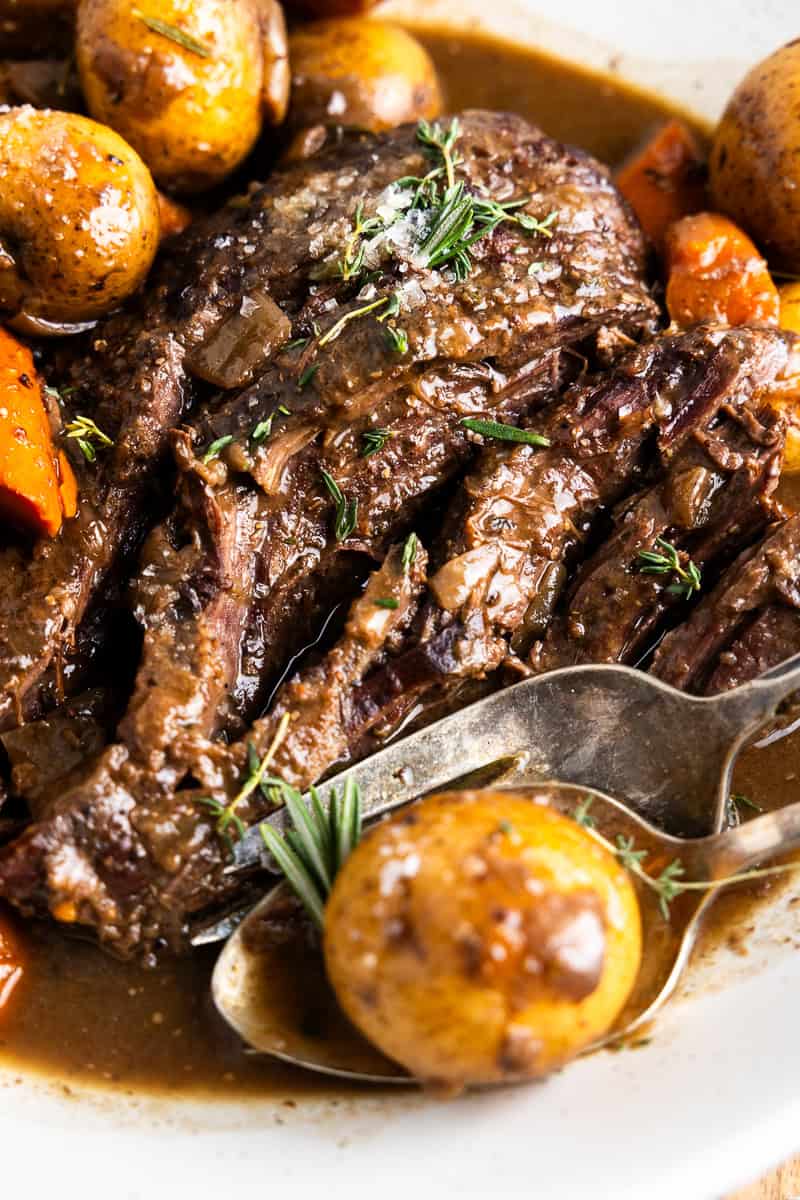
Guide to flavor & texture.
What Does Venison Taste Like?
Breaking down the flavor of venison and sharing my tried-and-true recipes so you can cook it in a way that you and your family will love.
2. Is venison healthy?
Yes! Venison is incredibly nutritious. Compared to beef, venison is:
- Leaner
- Higher in protein
- Rich in iron, zinc and B vitamins
- Naturally organic, free of antibiotics and growth hormones, and comes from animals that forage for their own food - so long as the deer wasn't farm-raised.
3. How do you get rid of the gamey taste in venison?
Short answer: Remove the silver skin and excess fat, marinate tender cuts with acid, and slow cook tougher cuts.
Here are the best ways to eliminate the gamey flavor:
- Trim the silver skin and fat. Simply put, venison fat doesn't taste good and silver skin is tough.
- Thaw venison on paper towels or in a strainer over a bowl to drain excess blood. This helps to prevent strong gamey flavors.
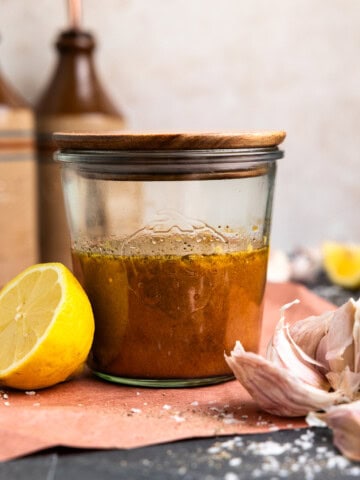
- Marinate with acid. Balsamic vinegar, lemon juice, tomato sauce, beer, wine, etc. all help to mask the strong "gamey" taste of venison while also helping to tenderize the meat.
- Use aromatics. Garlic, onion, herbs, and warm spices all complement venison beautifully.
- Slow cook. Slowly cooking the meat over low heat for an extended period of time in a flavorful liquid/sauce is an excellent way to mask the gamey flavor.
If you're cooking venison for someone who doesn't like the gamey taste, I would recommend my Hearty Venison Stew, Beer Braised Venison Roast, or Venison Chili if using ground meat.
4. What are the best cuts of venison for different types of cooking?
Choosing the right cooking method is one of the biggest secrets to great venison! Here is a quick guide to choosing the right cut:
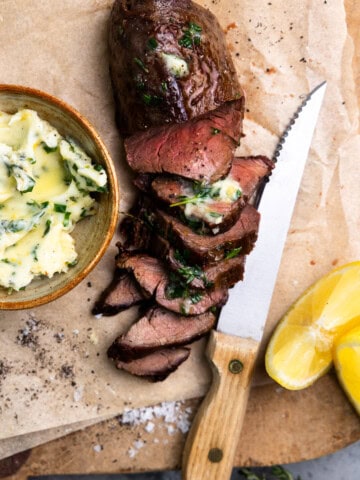
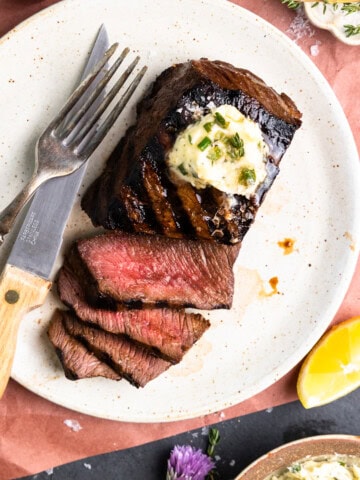
- Backstrap (loin): Best for pan-searing, grilling or slicing into steak medallions.
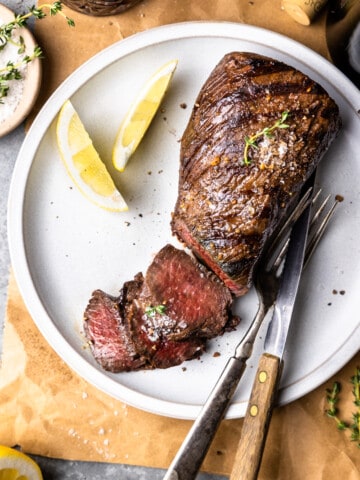
- Recipes: Marinated Venison Backstrap & Venison Steak
- Tenderloin: The filet mignon of venison! Very tender and great for pan-searing, grilling or smoking.
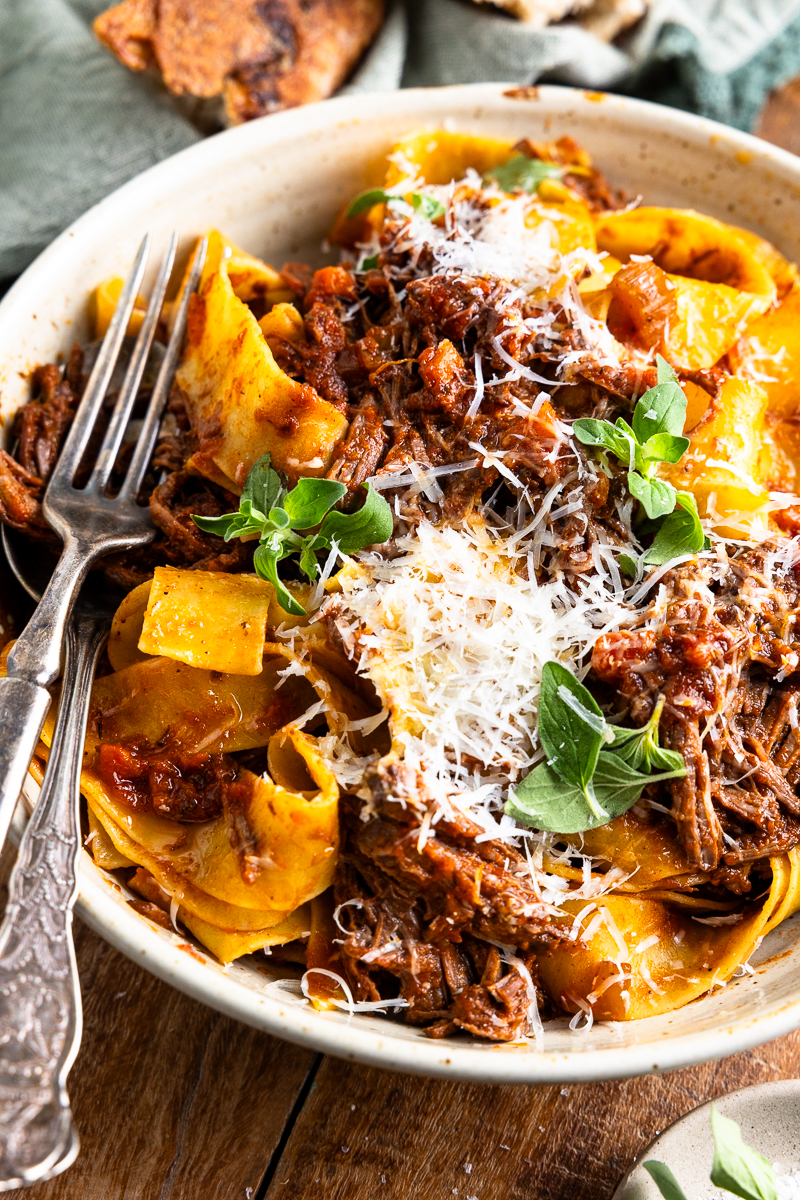
- Roasts: Either from the front or hind quarter (bone-in or boneless) and are great for slow cooking, shredding, stew, barbacoa, braising, or smoking until fork tender.
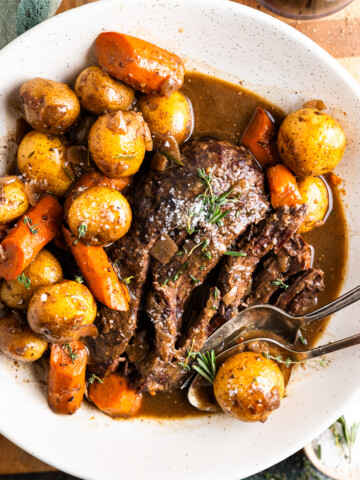
- Recipes: Slow Cooker Venison Roast & Shredded Venison Ragu
- Neck: This bone-in cut is perfect for slow cooking in the oven or slow cooker.
- Shank: Tough cut of bone-in meat from the lower leg of the deer - perfect for braising or slow cooking.
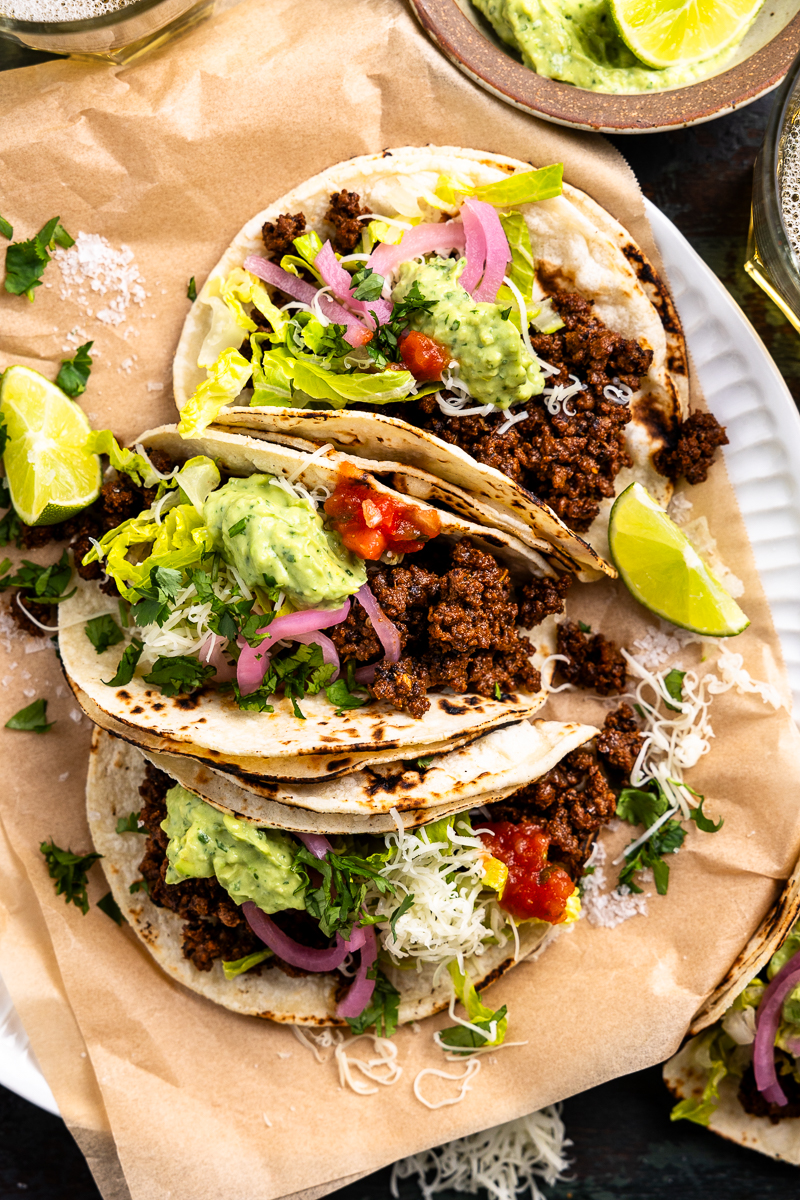
- Ground: Ground deer meat is so versatile and can be used to make many things - like you would with ground beef.
To learn more about how to cook with all of these cuts, find all my venison recipes here.
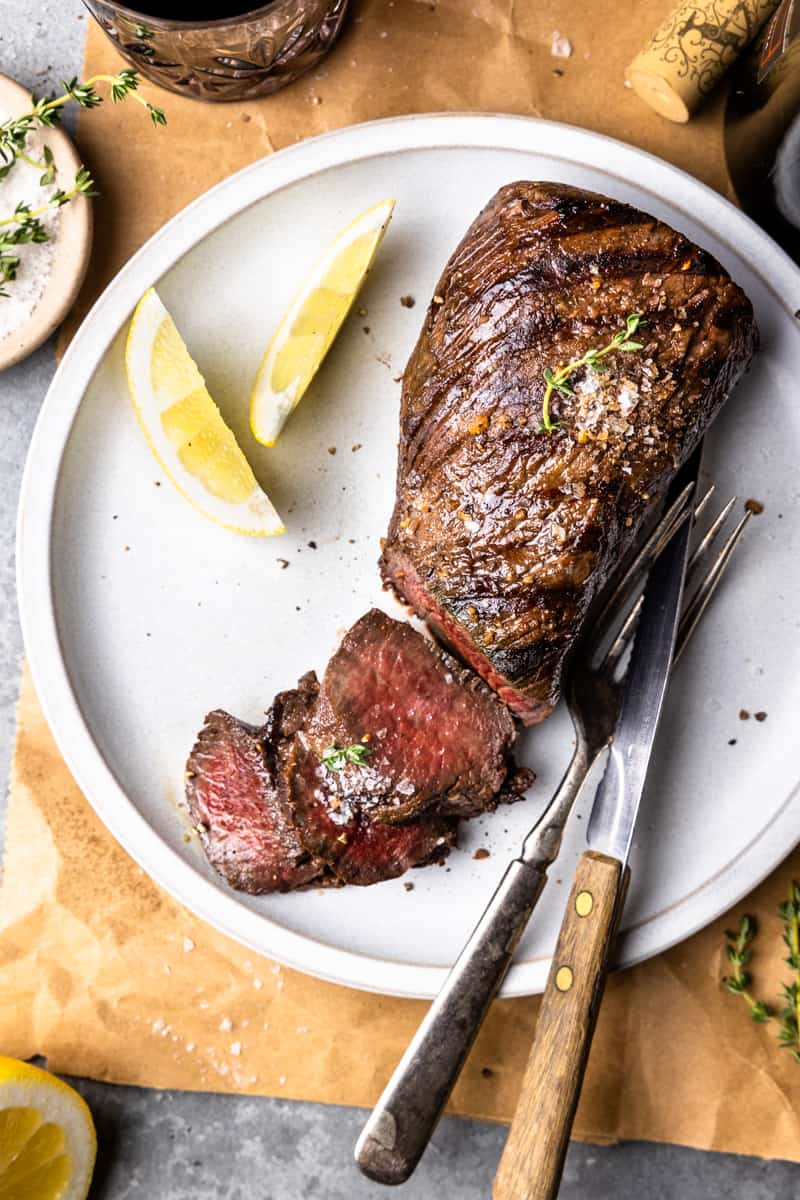
All you need to know!
How to Cook Venison
Whether you're an experienced deer hunter or you're just learning how to cook the venison your spouse brought home, I'm here to share my best tips and tricks for preparing delicious deer meat.
5. What is the safe internal temperature for venison?
For the best flavor and texture, follow these internal temperature guidelines:
- Venison steaks, backstrap & tenderloin: at least 130-135°F (medium-rare).
- Ground venison: FDA recommends 160°F (well done) due to increased risk of bacteria.
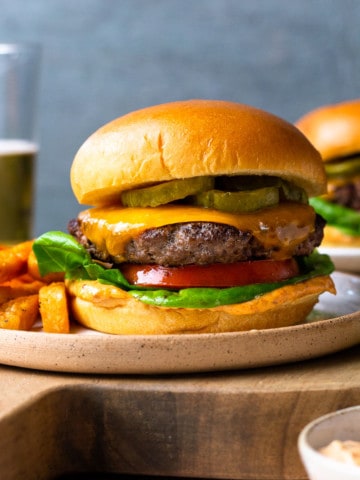
- Recipes: Juicy Venison Burger & Tender Venison Meatballs
- Venison roasts: Internal temperature is not the best method to check for doneness of venison roast. You'll want to slowly cook over low heat until the meat is fork tender, about 6-8 hours, depending on the cut.
- Recipes: Crockpot Venison Roast & Venison Ragu.
6. How do you make venison tender?
Short answer: Don't overcook lean cuts, and slow-cook tough cuts.
- Marinate lean cuts for at least 1 hour. This helps to break down muscle fibers and infuse the meat with flavor. If you're planning to cook lean cuts of venison (such as steak or backstrap) past medium doneness, I recommend marinating the venison first to add extra moisture.
- Don't overcook the steaks. Ideally, no more than medium doneness. Overcooking can dry out the meat, making it tough. Always use a meat thermometer!
- Braise or slow cook tough cuts like bone-in or boneless roast, shank or neck.
- Add fat to ground venison. I like to add finely chopped bacon to my venison burgers to make them extra juicy and flavorful and mix ground pork into venison breakfast sausage to add extra fat.
7. Why does my venison turn out tough or dry?
Here are some reasons your venison may be coming out tough or dry based on the cut of meat.
Venison roast:
- It was overcooked. Once you can easily shred the meat with a fork, it's done. Cooking past this point can dry out the meat.
- Not enough liquid or moisture was added. When braising venison, you want to make sure there's always liquid in the pot - at least halfway up the roast.
Venison steak:
- The wrong cut was used for the cooking method. For example, you used a tough cut of roast to make steak.
- Silver skin wasn't removed. This thin, shiny layer of connective tissue is tough and chewy. You want to remove it from all venison steaks, backstrap and tenderloin before marinating or cooking.
- It wasn't marinated long enough. Marinating isn't always necessary, but if you do, I recommend marinating venison for at least one hour, or ideally overnight.
Ground venison:
- Not enough moisture or fat was added. For example, when making things like my easy venison burgers or juicy venison meatballs, you want to add in extra fat from another source, such as pork. When making tender venison meatloaf, I like to add in extra moisture and fat through whole milk.
8. How long should you marinate venison?
For lean cuts, such as deer steak, marinate venison for at least 1 hour, or ideally 4 to 24 hours.
Avoid marinating for more than 24 hours, as the acid can break down the texture too much.
9. How long does venison last in the freezer?
Properly packaged and sealed venison lasts up to 12 months in the freezer.
If you see ice crystals, freezer burn, or gray edges, it's still safe to eat, but here's what I recommend:
- Thaw and remove the freezer burnt portion of the meat. If it's a roast or steak, trim off and discard the gray edges. If it's ground meat, just use your hands to remove and discard the freezer burnt section.
Freezer burnt meat can still be delicious following my recommendations above! There's no need to toss it.
To safely thaw venison, I recommend thawing in the refrigerator:
- Place the wrapped venison on a plate in the refrigerator, and thaw for 12-24 hours, or until no longer frozen. If the venison isn't well sealed, you may want to thaw in a dish with tall sides to contain any blood.
- Alternatively, for the best flavor, thaw venison on a paper towel lined plate or in a strainer set over a bowl. This allows the excess blood to drain away instead of reabsorbing into the meat, which can contribute to a stronger gamey flavor.
If you're in a hurry, you can use the cold water method:
- Leave the meat sealed and submerge in a bowl of cold water from the faucet. Change the water every 30 minutes, until the meat is thawed, about 1-2 hours.
I don't recommend thawing venison on the countertop, as it can lead to bacteria growth.
10. Can venison be substituted for beef?
Yes, you can swap venison for beef in most recipes, but keep in mind that venison is significantly leaner than beef. I recommend using a venison specific recipe when possible, but if not, here's how to adjust:
- For some recipes, add fat if using ground venison. For example, if you're making venison meatballs, mix 1 pound of ground venison with ½ pound of ground pork for some extra fat.
- Reduce the cook time for steaks. Venison steak has nearly zero fat, so it cooks up quickly. Overcooking will result in dry, tough steak.
- Venison roast. Due to its lean nature, venison roast may cook faster than beef roast as well. Check with doneness periodically so you don't overcook and dry out the roast. It's done when you can easily shred the meat with a fork.
Some of the best beef swaps include venison beer chili, cozy venison stew and venison roast & Mexican Shredded Venison.
More Venison Recipes
If you're looking for more ways to cook venison, these reader-favorite recipes are a great next step or browse all my venison recipes here.

Leave a Reply