
Perfectly cooked venison is a beautiful thing. When it's done right, it's tender, juicy and packed with flavor, but when it's overcooked it can turn dry or tough. The difference almost always comes down to one thing: internal temperature. In this guide, I'll break down venison internal temperatures, explain doneness levels, and share practical tips.
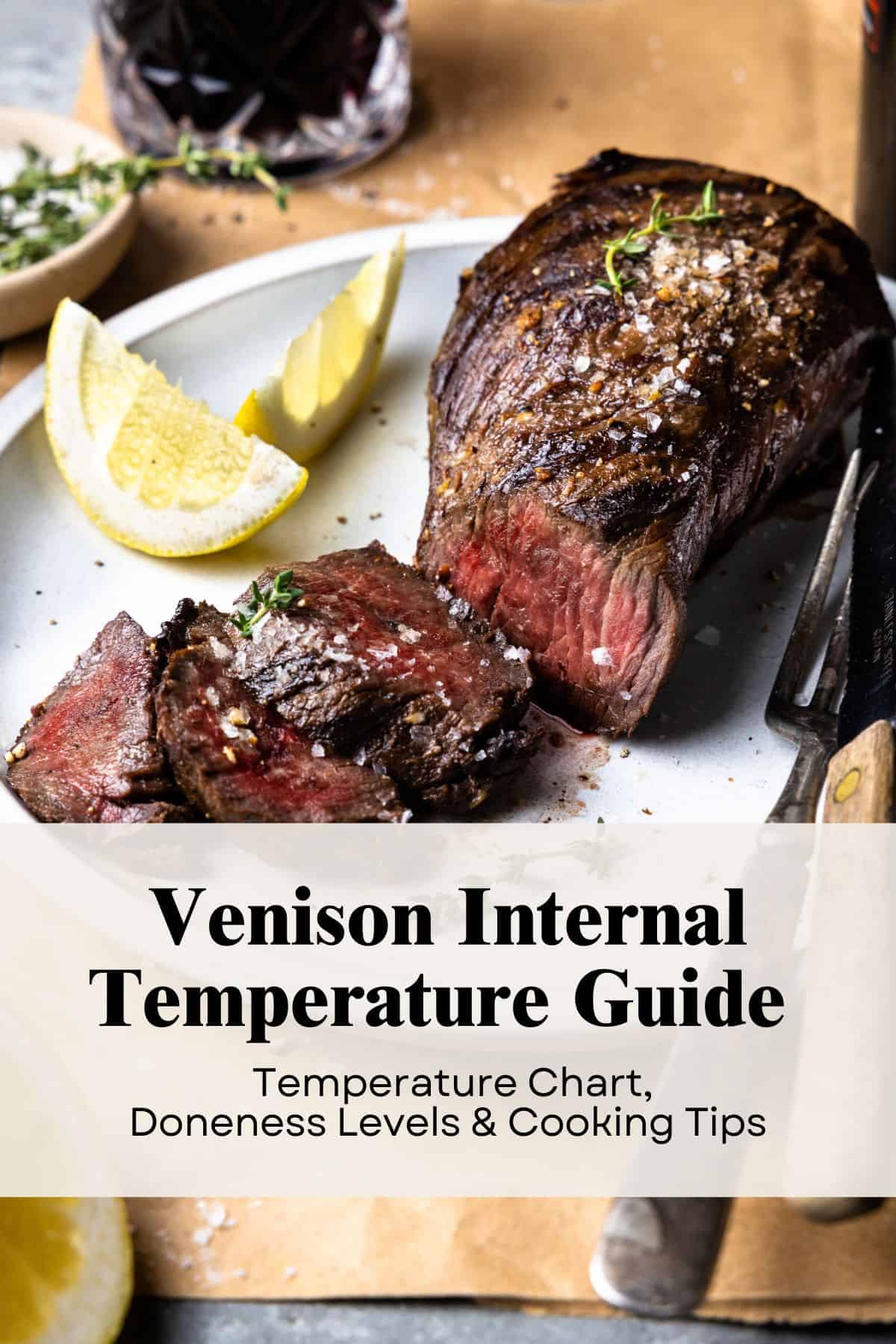
Because venison is much leaner than beef, understanding degrees of doneness and using a meat thermometer makes all the difference! Whether you like your venison pink and juicy or cooked a bit more through, this venison internal temperature guide will help you cook venison with confidence every time.
What is degree of doneness?
Degree of doneness refers to how cooked a piece of meat is based on its internal temperature. It's what determines whether the venison is rare, medium-rare, medium, medium-well, or well-done, and it directly affects both texture and juiciness.
When we talk about degree of doneness, we're mostly referring to tender cuts, such as venison steak, backstrap, and tenderloin, which are best cooked quickly over high heat.
Tougher cuts like venison roast are best cooked low and slow and don't follow these same doneness guidelines.
Why internal temperature matters
When cooking tender cooks of venison like steak, backstrap or tenderloin, internal temperature matters more than almost anything else. Unlike beef, venison is extremely lean and doesn't have much fat to protect it from overcooking. Even a few extra degrees can mean the difference between tender and juicy or dry and tough.
Venison cuts vary in size and thickness, that's why relying on internal temperature, rather than cook time, is the most reliable way to cook venison. A meat thermometer takes the guesswork out and lets you know when to pull the meat from the heat.
5 main doneness levels
Everyone has their own preference when it comes to doneness levels, and understanding them will allow you to cook venison exactly how you like it every time.
Rare (120-130°F)
Rare venison is cooked just long enough to give it a sear on the outside, while the center remains a cool and deep red. It's extremely tender, but can feel too undercooked for most people.
Medium-rare (130-135°F)
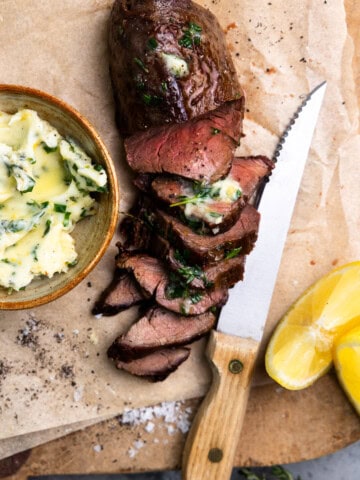
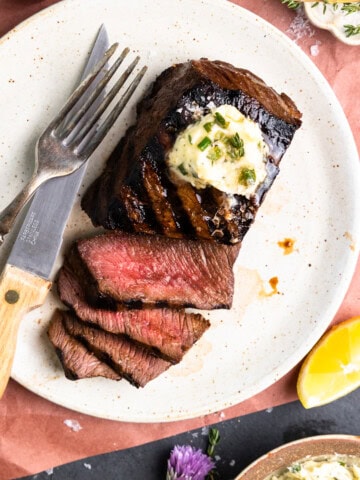
Medium-rare venison has a warm, red center and is a very popular doneness level for venison. It's still tender and juicy in the center without feeling undercooked.
Medium (135-140°F)
Medium venison is lightly pink in the center with a slightly firmer texture. It's still juicy, but just a bit less tender than medium-rare.
If you like your meat to be a little less red but still enjoy some pink, this doneness level is for you, and is actually my preferred doneness. It's still tender and moist without being bloody.
Medium-well (140-150°F)
Medium-well venison has only a faint hint of pink in the center and is mostly brown with a very noticeably firmer bite. At this stage, venison starts to lose its moisture and tenderness quickly.
Well-done (150-160°F+)
Well-done venison is fully cooked through with no pink remaining. This doneness level often results in dry, tough meat. While I don't generally recommend cooking venison to well-done unless you're slow cooking a tougher cut like roast, it can work for a very tender cut, such as venison tenderloin, if you prefer a steak with zero pink, especially when rested properly after cooking.
Venison internal temperature chart

How to check venison doneness
The most reliable way to check venison doneness is with a meat thermometer - this prevents overcooking and undercooking.
An instant-read digital thermometer is your best friend. Simply insert it into the thickest part of the meat to get an accurate internal temperature. If you like the idea of continuously monitoring the temperature from your phone during the cooking process, a bluetooth thermometer is for you!
Either way, using a meat thermometer takes the guesswork out and helps you to achieve perfectly cooked venison to your desired doneness.
Pro tip: remember that the temperature of the meat will continue to rise about 5-10°F after you remove it from the heat source - this is called carryover cooking.
Carryover cooking explained
Carryover cooking is the process where meat continues to cook even after it's removed from the heat. The residual heat inside the meat keeps raising the internal temperature, usually by 5-10°F depending on the size and thickness of the venison cut.
Plan for carryover cooking by removing your meat from the heat about 5-10°F before your desired doneness, and the carryover cooking will bring it to up to your desired temperature.
For example, if you want your venison steak cooked to medium (135-140°F), pull it from the heat when the internal temperatures reaches about 130°F, then let it rest on a plate or cutting board for 5-10 minutes.
Expert tips & common mistakes
Cooking venison can be simple when you know a few key tips, and avoiding these common mistakes can make all the difference in tenderness, flavor and juiciness.
- Let meat come to room temperature before cooking. Bringing venison to room temperature before cooking helps it cook more evenly and reduces the risk of overcooking the thinner edges while waiting for the center to reach temperature. Usually 15-30 minutes out of the fridge is usually enough.
- Get a nice sear. Make sure your skillet is hot and coated in butter or an oil with a high smoke point before adding your venison. This creates a deep, golden-brown crust and add tons of flavor. Try not to flip the meat until a crust has formed. I don't recommend using a non-stick skillet, as it's more difficult to get a good sear. Cast iron or stainless steel works best.
- Use a meat thermometer. This is absolutely essential when cooking tender cuts of venison (steak, backstrap, tenderloin), ensuring you don't overcook or undercook your meat.
- Factor in carryover cooking. Remove venison from the heat about 5-10°F before it reaches your desired internal temperature, then let it rest on a plate or cutting board. the temperature will continue to rise as it rests.
- Rest the meat: Always let the meat rest for 5-10 minutes after cooking. When meat is cooked over high heat, the juices are pushed toward the surface; resting allows them to redistribute throughout the meat, so every bite is juicy and moist.
- Slice against the grain. The grain of the meat refers to the direction the muscle fibers run. For steak, backstrap, or tenderloin, always slice against the grain (across the fibers) into thin slices for the most tender bites.
Venison Internal Temperature FAQs
Yes, many people safely eat venison steak, backstrap, and tenderloin cooked to medium-rare (130-135°F). However, the USDA does recommend cooking whole cuts of venison to at least 145°F for safety, but it's important to understand that harmful bacteria are typically found on the surface of the meat, not inside the muscle (this does not apply to ground meat). As long as the outside gets a hot sear, medium-rare venison is a very popular doneness level for venison steak, backstrap and tenderloin.
Yes, it's perfectly fine to eat venison that is a little pink in the center, as long as it's a tender cut like steak, backstrap or tenderloin. Slightly pink venison typically falls under the medium-rare to medium range (130-140°F), which keeps the meat tender and juicy.
If venison is tough even cooked to the correct temperature, the most common reasons are: using a tough cut of meat, lack of resting time after cooking, or not slicing against the grain.
Venison that has been properly wrapped and kept frozen can still be safe to eat after 2 years, but quality may decline over time. Freezer burn and dryness can happen with long storage. If venison shows signs of freezer burn, such as turning gray, you can simply cut away the freezer burn before using the venison.
Bad venison is usually easy to identify by smell, texture or appearance. If the meat has a strong sour or rotten odor, slimy texture or an unusual green, gray, blue or iridescent sheen, it should not be eaten.
Learn more about cooking venison
Learn more about what venison tastes like, how to cook different cuts of venison, and get answers to the most common venison cooking questions.
- How to Cook Venison
- What Does Venison Taste Like? Guide to Flavor and Texture
- Venison FAQs: 10 Most Common Venison Cooking Questions Answered
Venison recipes
Put what you've just learned about venison internal temperature and doneness to use with some of my most popular venison recipes!

Leave a Reply