
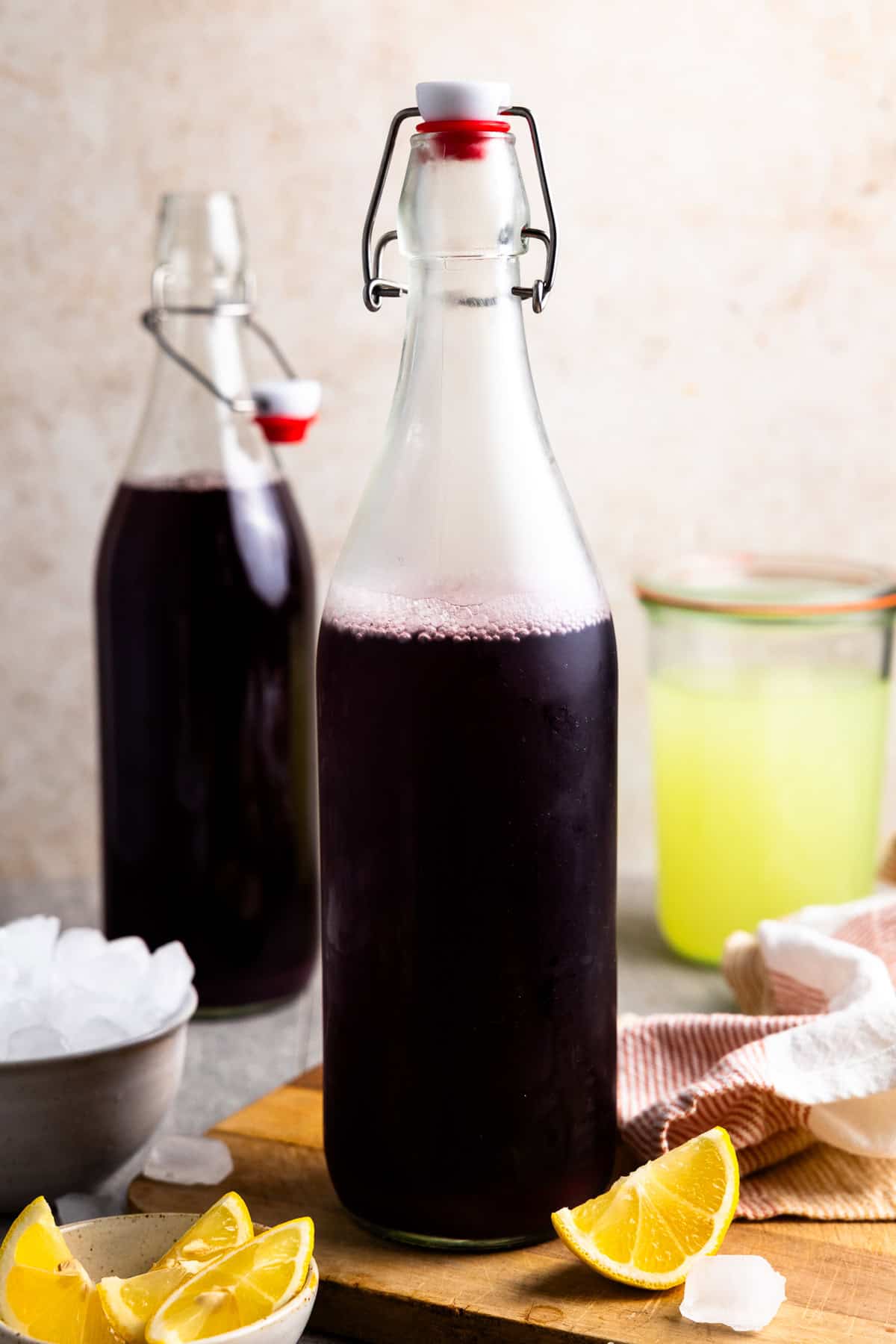
Fermented whey soda is an easy way to turn leftover whey into a naturally fizzy, probiotic drink that the whole family will love. If you've ever strained homemade yogurt and wondered what to do with the leftover whey, this simple two-ingredient recipe is the perfect solution. Simply mix whey with your favorite fruit juice and let ferment at room temperature. The healthy bacteria create a naturally carbonated soda that's both refreshing and full of gut-friendly probiotics!

Instead of throwing that nutrient-rich whey down the drain, you can use it to make simple fermented drinks like this one. Whey is full of beneficial bacteria that help kickstart the fermentation process, creating gentle carbonation and a boost of probiotics. It's one of the easiest and most practical ways to use leftover whey from yogurt.
If you enjoy making fermented foods at home, you might also enjoy my sourdough recipes, like my easy everday sourdough bread, fluffy sourdough discard pancakes, and sourdough discard tortillas.
Jump to:
- Why you'll love this probiotic-rich drink
- Is fermented whey soda good for you? (Probiotic benefits)
- What is whey?
- One of the best ways to use leftover whey
- Ingredients
- Best juice for fermented whey soda
- How to make fermented whey soda
- Tips for successful fermentation
- How to tell when it's done fermenting
- How to store
- More recipes you'll love!
- Fermented Whey Soda Recipe (Easy Homemade Probiotic Soda)
Why you'll love this probiotic-rich drink
- Naturally fizzy and naturally sweetened. During fermentation, the healthy lactic acid bacteria in whey feed on the natural sugars in juice, creating a naturally carbonated drink and reducing the overall sugar content in the juice.
- Made with just two ingredients. Whey strained from homemade yogurt and organic juice, such as grape or apple. That's it.
- Packed with beneficial probiotics. During fermentation, the beneficial bacteria in whey multiply, creating a drink rich in probiotics.
Is fermented whey soda good for you? (Probiotic benefits)
Fermented whey soda is a healthier alternative to conventional store-bought soda and other sugary drinks, which are often filled with corn syrup and artificial ingredients. Instead, fermented whey soda is made with two simple ingredients - whey and natural fruit juice - and naturally fermented with beneficial bacteria.
During fermentation, the bacteria in whey feed on the natural sugars in the juice, allowing the gut-friendly bacteria to multiply while slightly reducing the overall sugar content. This creates a probiotic-rich, naturally fizzy drink that can help support a healthy gut and digestion. Like most fermented foods, it's best enjoyed in moderation.
Fermented whey soda also contains small amounts of complete protein and trace minerals from the whey.
What is whey?
Whey is the liquid byproduct left behind when making homemade yogurt. I make homemade yogurt for my family every few weeks, and to get thick, Greek-style yogurt, I simply strain the yogurt through a fine mesh sieve lined with cheesecloth. What is strained out is a cloudy, pale yellow liquid called whey.
Whey is often discarded, but it's actually full of beneficial bacteria and nutrients, including small amounts of protein. In fermentation recipes like this whey soda, these beneficial bacteria feed on the natural sugars in juice and multiply, creating a naturally fizzy, probiotic-rich drink.
While I haven't tried this myself, you should be able to strain store-bought yogurt to collect whey for fermentation recipes like whey soda. I recommend using an organic, whole milk yogurt that is plain and unsweetend. Also Greek-style yogurt, since most of the whey has already been strained out.
One of the best ways to use leftover whey
If you make homemade yogurt, you'll quickly notice that straining it leaves you with quite a bit of leftover whey. It's full of gut-friendly bacteria and nutrients that make it incredibly useful in the kitchen.
My favorite way to use leftover whey is to make fermented whey soda because it's so easy and delicious. Simply mix whey with your favorite fruit juice and let it ferment for a few days. The bacteria feed on the sugars, leaving you with a naturally carbonated and naturally sweetened drink packed with probiotics.
But fermented whey soda isn't the only way to use whey. It can also be used for a variety of things, such as:
- Adding to smoothies for extra protein and beneficial bacteria
- Using in baking recipes like pancakes, muffins, or bread
- Adding to fermented vegetables to help with fermentation
- Soaking grains and oats to make them easier to digest
- Stirring into soups or stews
Ingredients
One of the best things about whey soda is that you only need two simple ingredients:
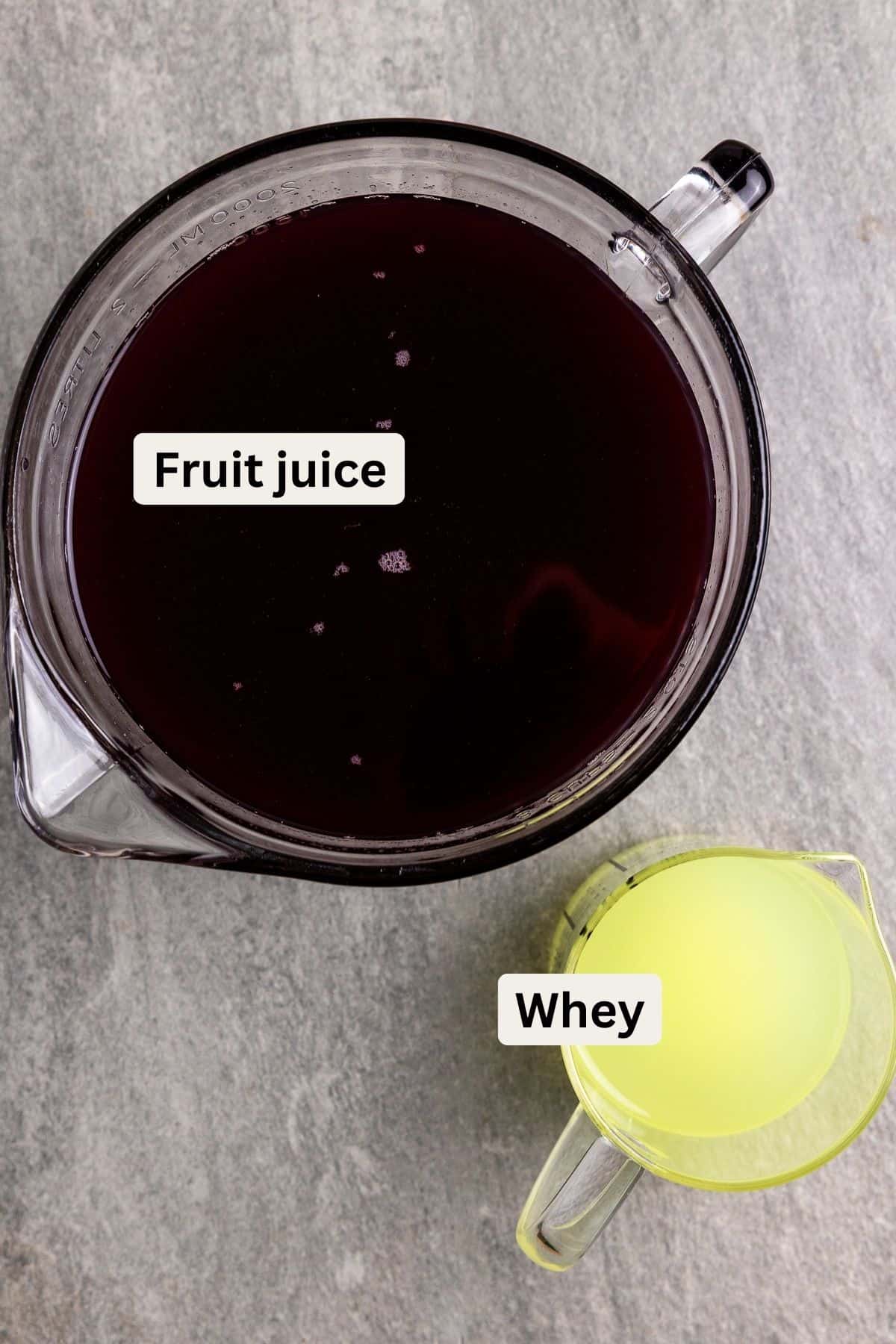
- Whey. The liquid leftover from straining yogurt.
- Fruit juice. Any 100% fruit juice works, but I like using organic juice.
Scroll down to the recipe card for full ingredient list with measurements.
Best juice for fermented whey soda
One of the fun things about fermented whey soda is that you can use a variety of fruit juices to create different flavors. The natural sugars in the juice feed the good bacteria in the whey, fermenting the juice and creating a natural fizz.
When choosing a juice, look for one that contains plenty of natural sugar and is 100% juice. Some juice blends may contain filtered water and/or natural flavors, which are generally fine for fermentation. Just be sure the juice doesn't contain preservatives like potassium sorbate or sodium benzoate, which can interfere with the fermentation process. I also recommend choosing organic juice.
Some of my favorite juices to use are grape juice or apple juice. You can also experiment with other juices like cherry, berry, or pineapple.
How to make fermented whey soda
Scroll down to recipe card for full instructions.
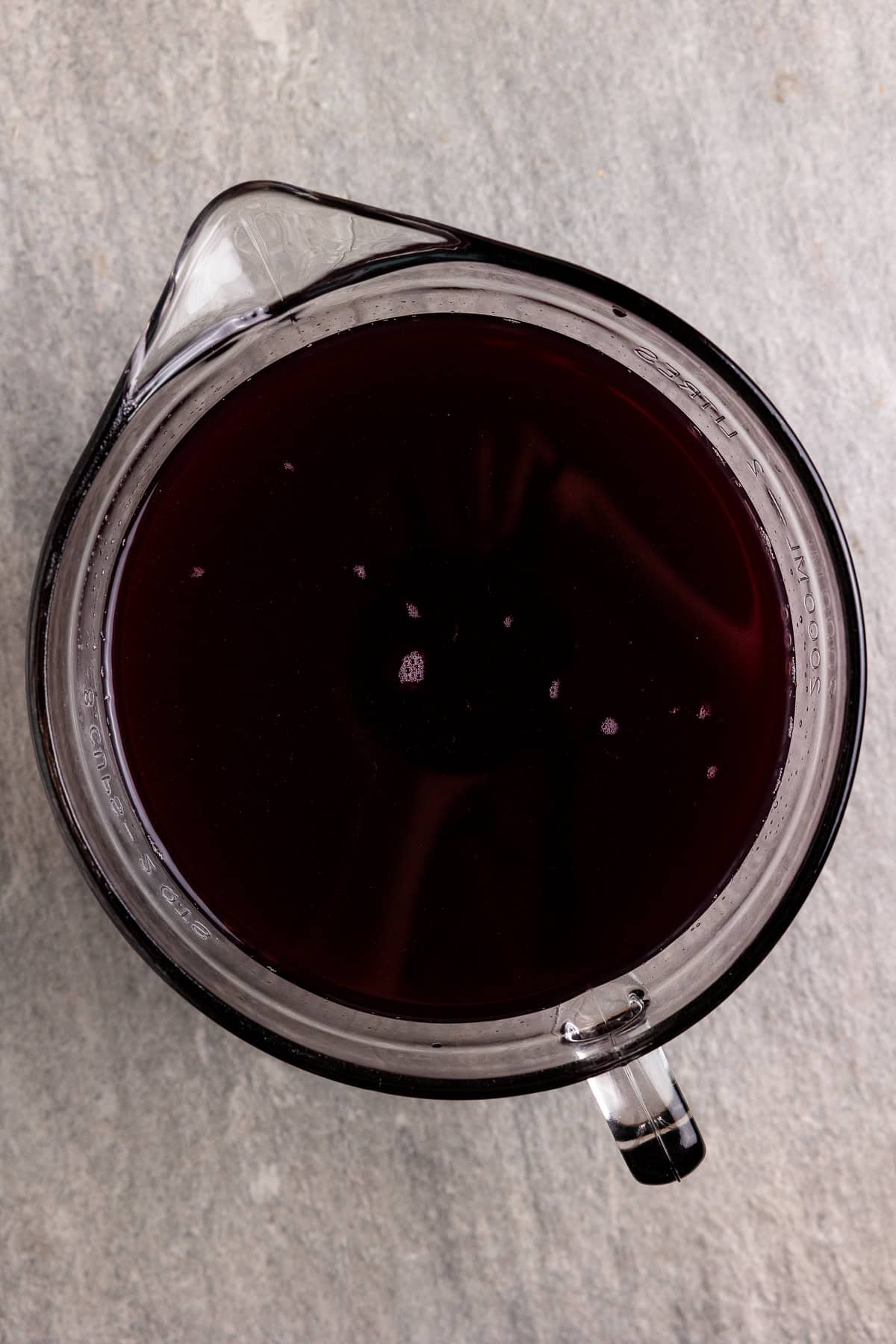
- Step 1: Combine. Mix together the whey and juice.
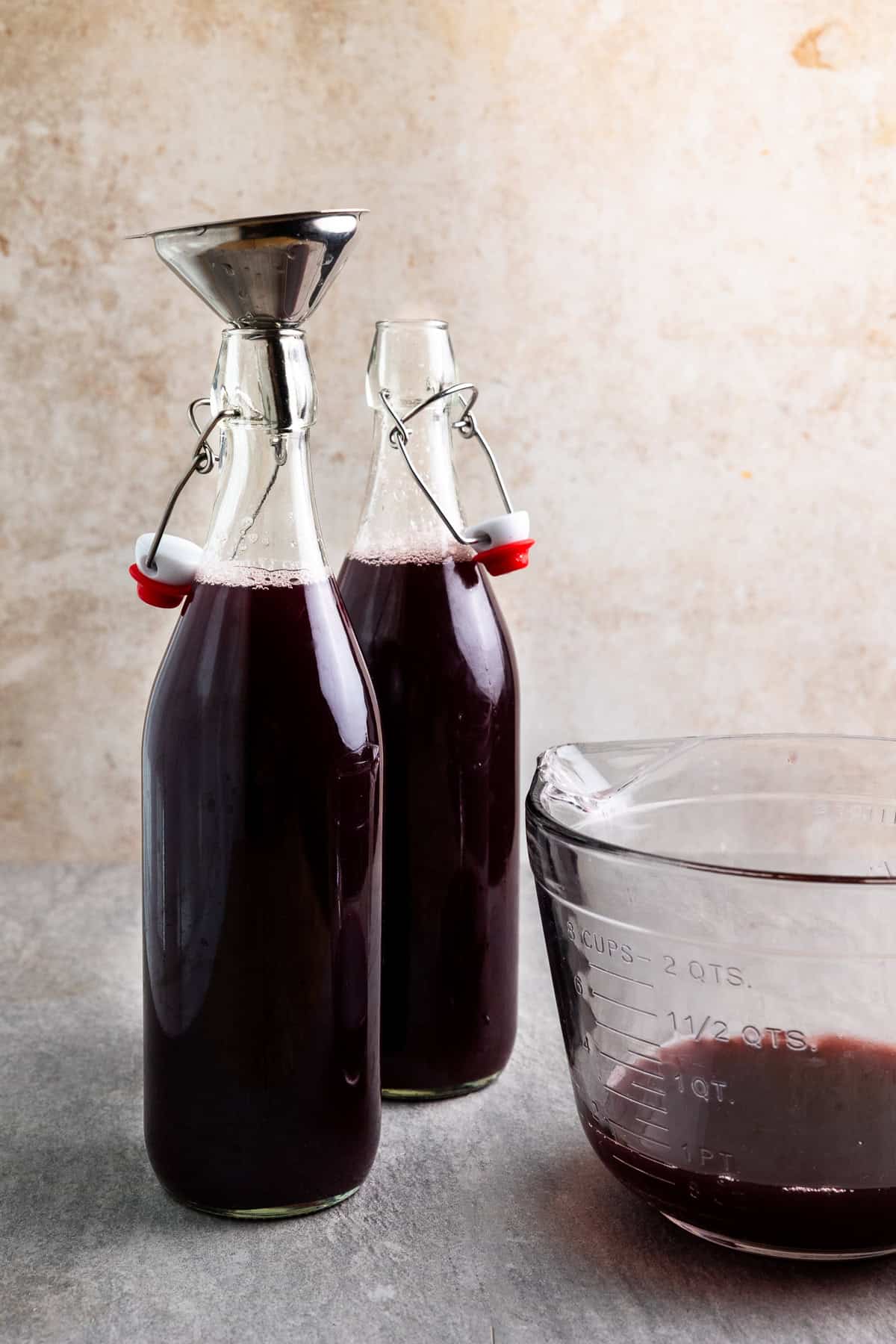
- Step 2: Ferment. Pour mixture into swing top bottles or mason jars. Seal tightly and let sit at room temperature for 3-4 days, or up to 1 week depending on the temperature of your kitchen.
Tips for successful fermentation
Making whey soda is pretty simple, but here are a few tips to help.
- Use acitve whey. I recommend using fresh whey from homemade yogurt that was made within the past week or two.
- Use your favorite juice with lots of natural sugar. Juices with a high sugar content ferment especially well.
- Avoid preservatives. Ingredients like potassium sorbate or sodium benzoate can prevent fermentation.
- Use swing top bottles. Swing top bottles are wider at the base and narrower at the top with a tight seal, which helps build carbon dioxide during fermentation. If you don't have one, you can use a mason jar, though the soda may be slightly less fizzy.
- Ferment at room temperature. A warm kitchen will ferment the soda faster than a cold kitchen. Most whey soda is ready in 3-4 days, but it can take up to a week depending on the temperature.
- Burp once a day. It's extremely important to "burp" the soda once a day to release built-up carbon dioxide. Simply open the jar or bottle, then close it again to continue fermenting.
- Give it a mix. AFTER you burp the soda and close the jar or bottle again, gently turn the bottle upside down a few times to mix the juice and whey. Be sure to burp the soda first; otherwise, the built-up carbonation can cause the soda to spray out of the bottle.
- Refrigerate once it's ready. Once the soda becomes lightly fizzy, move it to the fridge to slow fermentation. If left at room temperature for too long, carbon dioxide can continue to build and create too much pressure in the bottle.
How to tell when it's done fermenting
Whey soda is ready to drink when it becomes lightly fizzy. For me, the fermentation process usually takes 3-4 days, though it can take up to a week depending on the temperature of your kitchen.
The easiest way to check is when you "burp" the bottle by opening it. If you hear a release of carbonation and see small bubbles floating to the top, it's ready.
The whey soda will still taste like the juice you choose, but a tad less sweet with a mild tang.
Once it's ready, move to the fridge to slow fermentation.
How to store
Once your whey soda has finished fermenting, transfer it to the fridge to slow the fermentation process. Cold temperatures help prevent the bacteria from continuing to produce too much carbonation and keep the soda from becoming overly tangy.
Whey soda will typically keep in the fridge for up to 1-2 weeks, though I've kept it slightly longer with no issue. Over time, the soda may become more tangy as fermentation slowly continues.





Did you try this recipe?
I'd love to hear from you! Leave a ⭐️⭐️⭐️⭐️⭐️ rating and comment below. I appreciate your helpful feedback! Follow me on Instagram, TikTok, Facebook and Pinterest for more delicious recipes!
Thanks so much! - Rachel
Fermented Whey Soda Recipe (Easy Homemade Probiotic Soda)
Equipment
- One-gallon mason jar (or measuring bowl)
- Swing top bottles (or mason jars)
Ingredients
- ½ cup whey (strained from homemade yogurt)
- 64 ounces fruit juice (no preservatives)
Optional additions (to make a larger batch without additional juice)
- 4 cups water
- ½ cup cane sugar
- ¼ cup additional whey
Instructions
- Combine. In a gallon jar or large mixing bowl with pour spout, combine the whey and juice.
- Ferment. Pour mixture into swing top bottles or mason jars. Seal tightly and let sit at room temperature for 3-4 days, or up to 1 week depending on the temperature of your kitchen.
- Burp daily. Open the bottles once a day to release built-up carbon dioxide. Close again, then gently turn the bottle upside down a few times to mix.
- Check for carbonation. When the soda becomes fizzy, fermentation is complete.
- Refrigerate. Store in the fridge. Best enjoyed within 1-2 weeks.
Optional additions (to make a larger batch without additional juice)
- Heat the water and sugar in a small saucepan, just until the sugar dissolves. Let the mixture cool completely, then mix it with the 64 ounces of juice and ¾ cup total whey. Pour into swing top bottles.Follow the directions above to ferment, burping daily.
Notes
- Look for one that contains plenty of natural sugar and is 100% juice. Some juice blends may contain filtered water and/or natural flavors, which are generally fine for fermentation. Just be sure the juice doesn't contain preservatives like potassium sorbate or sodium benzoate, which can interfere with the fermentation process. I also recommend choosing organic juice.
- I have the best results with grape juice or apple juice because they're high in sugar. You can also experiment with other juices like cherry, berry, or pineapple.
- I often buy R.W. Knudsen Organic juice.
- The easiest way to check is when you "burp" the bottle by opening it. If you hear a release of carbonation and see small bubbles floating to the top, it's ready.
- Swing top bottles create a tight, pressure-resistant seal that traps carbon dioxide and produces lots of carbonation. The sturdy glass and swing-top locking mechanism also allow for safe fermentation and storage. However, if you burp the soda daily and move it to the fridge once it becomes fizzy, bottle explosions shouldn't be a concern. If you don't have swing-top bottles, you can also use mason jars - just be sure to secure the lid tightly with the ring.
Nutrition
Nutritional information is automatically calculated by a third party software and is only an estimate, not a guarantee. This information is provided as a courtesy, and you are solely responsible for all decisions related to your health.



Bonny Glover says
I love the idea of making this soda. I currently make Kombucha and we love it. However, I have tried 2x now to make the Whey soda using your recipe instructions and I get virtually NO fizz-any idea what my issue might be? I make my own yogurt and strain to get the fresh whey. I have used 100% juice (orange, cranberry and I've tried sweetened tea), all to no avail. I drink it, and don't mind it, but there is NO fizz!! I use good quality swing top bottles (same as for my Kombucha). I'm a cook so the oven/stovetop is always in use. Bottles don't sit near the stove but on the counter about 6' away. No direct sunlight. I don't know what else to try... Thank you.
Rachel Kochlin says
Thanks so much for giving my recipe a try and sharing your experience! It's super helpful. Fermentation recipes can be finicky depending on multiple factors. I retested the recipe and found that while the soda does ferment with 1 cup of whey, I got better carbonation using 1/2 cup of whey instead. I updated the recipe to reflect this.
But I also think the type of juice may be playing a role here. Cranberry juice is naturally lower in sugar, so it may not have enough sugar to create a strong carbonation on its own. I personally haven't tested orange juice or sweetened tea. If you're using a lower sugar juice, I'd recommend following the optional sugar-water addition to give the cultures a little more sugar for fermentation (this was in the recipe notes, but I added it to the recipes card now). Apple and grape juice have been the most reliable for me.
I'd love to hear how it turns out if you give the recipe another try!
Rachel Kochlin says
Whey soda is my favorite way to use leftover whey from homemade yogurt! My family absolutely loves it. I love that it's a gut-friendly, lower sugar option to just plain juice. My toddler loves to "burp" the jars - it's a fun family treat!